The short version: Lab tests and digital simulation are built for repeatable, controlled conditions. They can't recreate the variable outdoor conditions, like wet mud, wet roots and wet rocks, where most trail, ultra and outdoor gear actually fails. DashLX closes that gap with Lived Experience data: structured, real-world field data from thousands of everyday opted-in runs, hikes and workouts, at a scale no small wear-test pilot can reach.
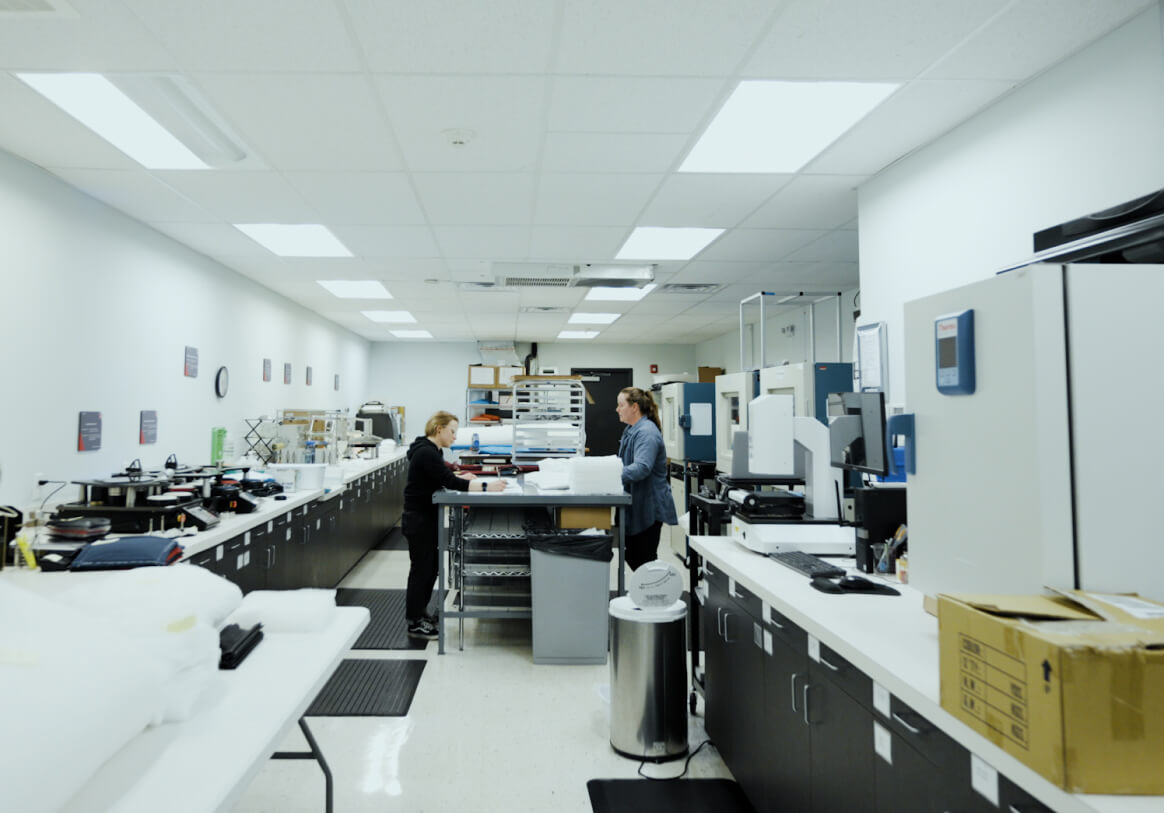
A sole compound may pass every lab performance test a brand can run. Controlled load, controlled surface, consistent results every time.
Then a tester takes it onto a wet root system on a rainy descent, and the same compound loses grip in a way no rig predicted.
That's not a lab failure. It's a field failure.
Where lab testing actually breaks down
Most outdoor gear failures don't happen in repeatable conditions. They happen in the ones a lab can't reproduce.
Digital simulation hits the same ceiling. Finite element analysis can model a sole compound under controlled load, but it can't model wet mud, wet roots, or wet rocks, the exact combination that wears through an outsole in weeks, not months.
A brand's R&D team doesn't need another lab number on their compounds. They need terrain-level validation, the kind that only happens outside.
This isn't a knock on lab testing. It's the part lab testing was never going to cover.
The Stopgap: small in-field wear tests
Most brands already know this, which is why in-field wear testing exists at all. A product team ships samples to a handful of testers, waits for feedback, hopes it holds up. It's directionally useful and structurally too small: a dozen testers and a few dozen logged survey responses can't tell you whether what they're seeing is a real pattern or a fluke.
The gap between "the lab says it's strong" and "ten thousand people will actually run in it" stays open, covered by anecdote instead of data. Here's how DashLX closes it:
Testers opt in and connect the device or app they already use: Strava, Apple Health, Garmin, Coros and others.
DashLX turns that everyday activity into structured, consented field data, with no new lab test required.
That field data flows straight to the product team, tied to the real terrain and conditions it happened in.
The Missing Layer: Lived Experience Data
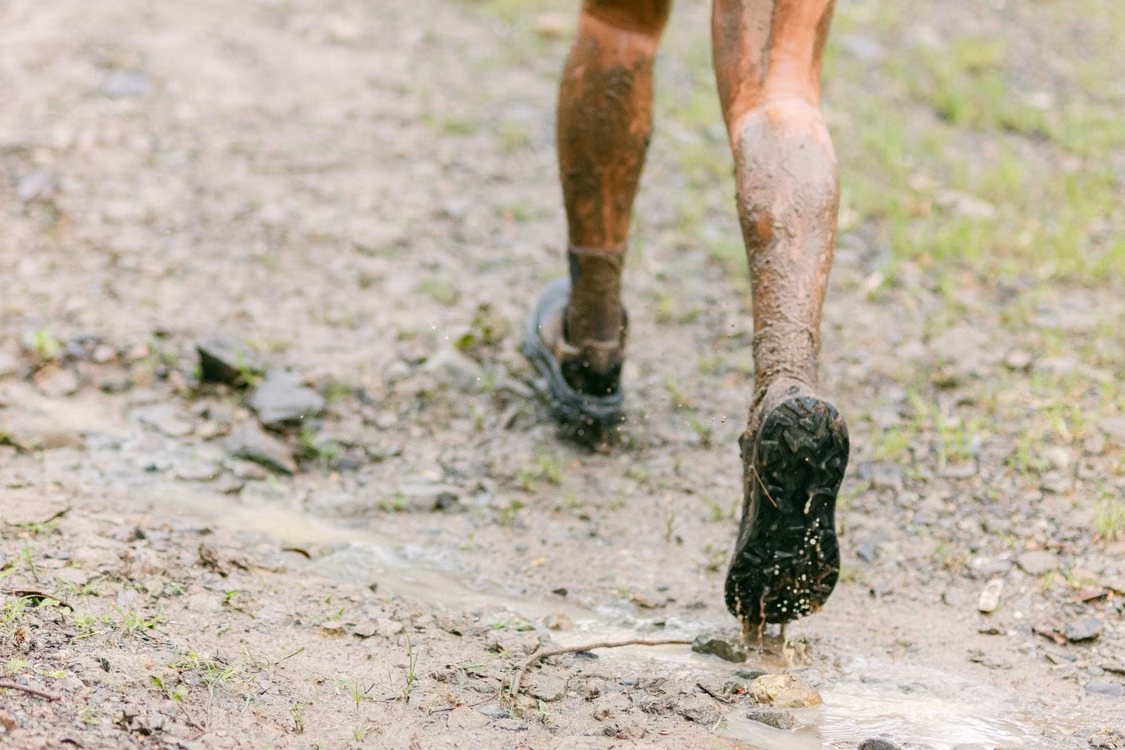
This is the LX Gap: the space between what a lab measures and what happens the first time real feet hit real terrain, at a scale no wear-test pilot can reach.
DashLX closes it by turning everyday outdoor activity into structured field data: thousands of recorded runs, hikes, and workouts, in the conditions products actually face, from everyday opted-in athletes who were never recruited into a formal test. Not a bigger lab. A different kind of evidence: Lived Experience, not simulated experience.
What Changes For The Product Team
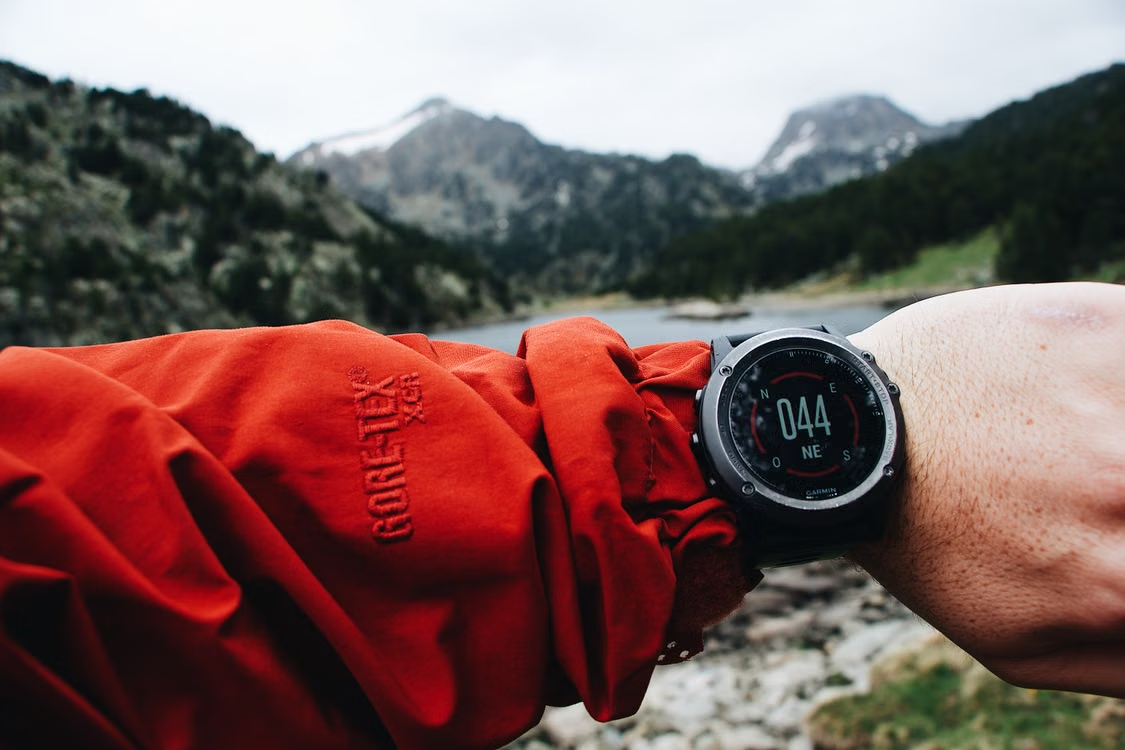
Pairing lab testing with Lived Experience data changes what a product team can see before launch.
Field evidence arrives earlier in the cycle. Instead of waiting for a formal wear-test round, terrain-level failures show up as the activity happens.
Terrain-level validation happens at scale. Thousands of recorded activities replace a dozen recruited testers, so a real pattern is visible, not a guess.
The margin case is visible, not just the R&D case. A product problem caught after launch is expensive: it shows up as returns, warranty claims, or a late redesign, not just an engineering line item. Catching it earlier, in real conditions, is a margin decision as much as an engineering one.
Real-World Proof: The PrimaLoft Wear Test
When PrimaLoft needed real-world validation faster than a standard wear-test cycle could deliver, pairing their program with Lived Experience data recruited 150% more testers and captured 4x the recorded activities of their usual process, in the same timeframe. More people, more miles, more conditions, without redesigning the test.
See the full case study.
The Takeaway
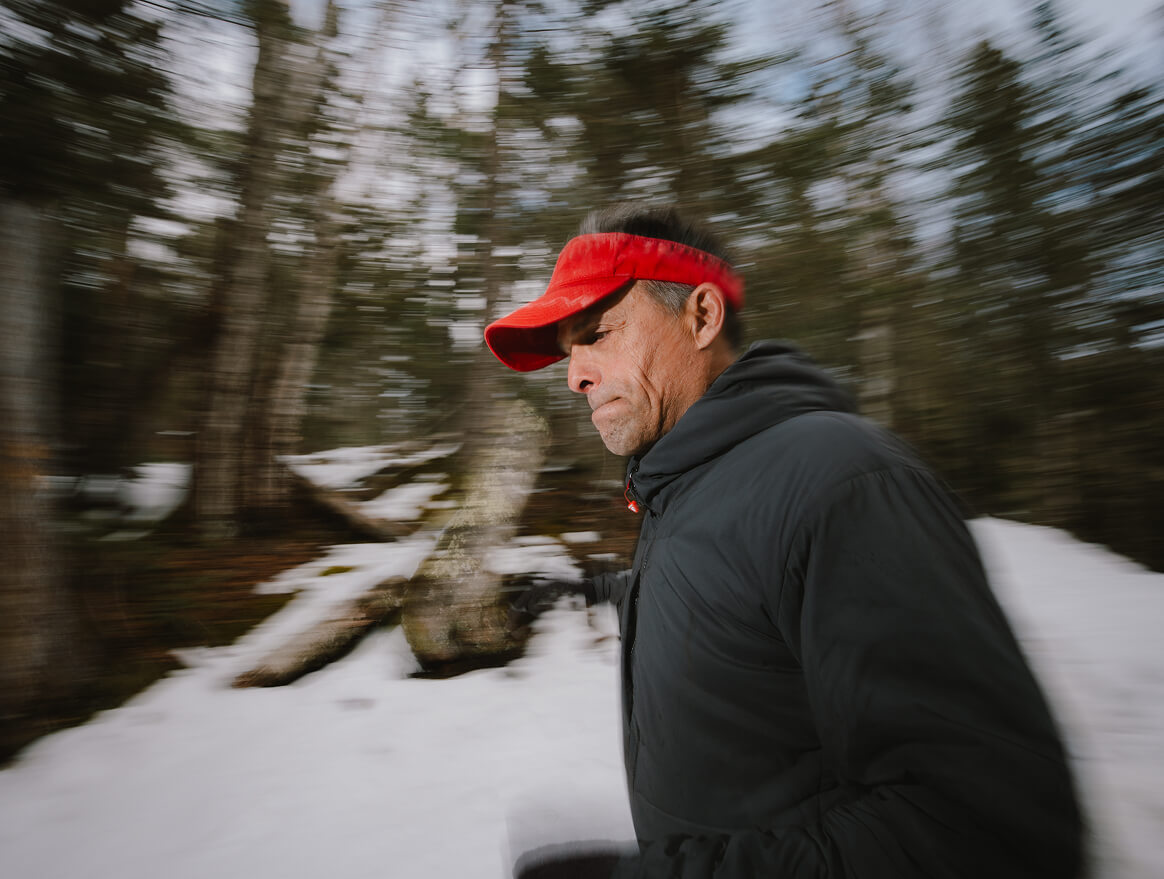
The lab isn't wrong. It's just answering a different question than "will this hold up out there." Brands that pair lab testing with Lived Experience data catch what the lab can't, earlier, and at a scale a pilot wear test was never built for.
See how DashLX turns everyday activity into field-testing data for your product team. Book a use case mapping session.
FAQ
Why can't a lab fully predict how outdoor gear performs in the field?
Lab tests and digital simulation are built for repeatable, controlled conditions. They can't reproduce variable conditions like wet mud, wet roots, and wet rocks, which is exactly where most outdoor gear failures happen.
What is the LX Gap?
The LX Gap is the space between what a lab measures and what actually happens the first time a product meets real-world terrain, at a scale small wear-test pilots can't reach.
How is Lived Experience (LX) data different from a wear test?
A wear test relies on a small group of recruited testers. Lived Experience data captures thousands of real runs, hikes, and workouts from everyday outdoor activity, giving brands real-world field-testing data at a much larger scale.
Does Lived Experience data replace lab testing?
No. Lab testing still answers questions about controlled, repeatable performance. LX data answers a different question: how a product performs in real, variable conditions, which lab testing was never built to measure.


