Closing the Personalization Loop: Key Insights from The Running Event 2025 on Wearables, AI, and LX Data
At The Running Event, DashLX and industry leaders showed physical brands how wearable data, AI, and real-world product usage can finally unlock closed-loop personalization.
Author: Dave Matli
Published: 11/21/2025
TL;DR for Busy Leaders
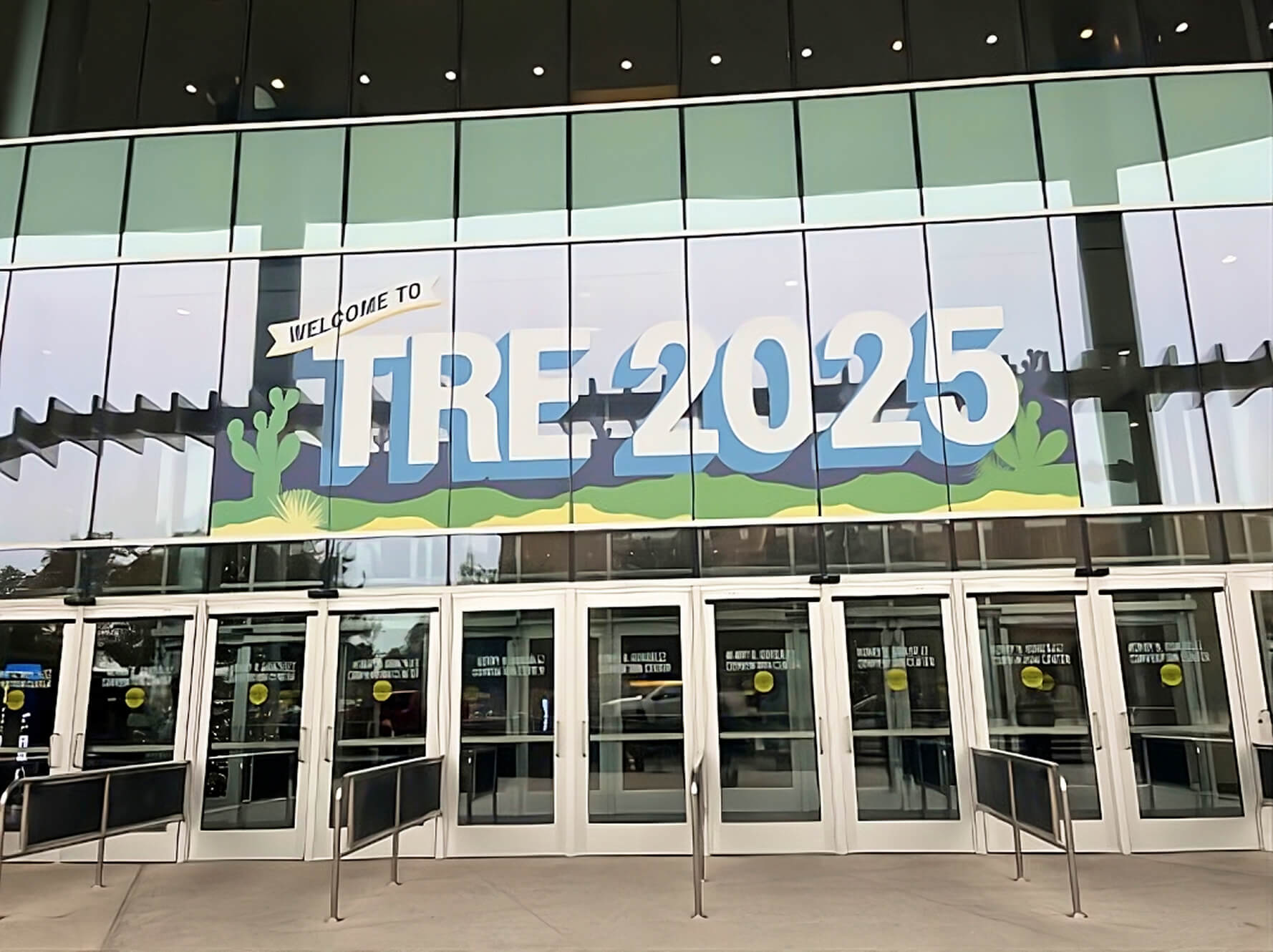
TRE 2025 centered on “Better Together,” but the real shift is toward “Smarter Together.”
DashLX’s panel shared how to activate continuous learning loops that improve retention, LTV, and product strategy.
Key themes: the CX Gap is closing, product becomes a data channel, cross-functional alignment is the new competitive advantage, and analog is no longer an option.
The Era of Connection: From “Better Together” to “Smarter Together”
At The Running Event 2025, the industry rallied around “Better Together.” Collaboration. Community. The shared mission to help runners move farther, faster, healthier. But as DashLX’s CEO and leaders from Nike, Facebook, and Brooks pointed out on stage, the next evolution isn’t just being “better together”, it’s being smarter together.
Because the truth is this:
Runners are already telling you everything you need to know about how your products perform. Most brands just aren’t listening yet.
Wearable data, AI, and real-world product usage now give running brands something they’ve never had before: the ability to build closed-loop personalization systems that learn from every mile, every stride, every terrain choice, and every breakdown moment. The same compounding learning loops digital giants have used for years are finally available to physical product brands.
And when you feed real-world behavior back into your marketing, loyalty, and product strategy?
You move from broad messaging to “Hey, we know exactly how you run and here’s how we can help you run better.”
That’s where retention, loyalty, and LTV start to compound like your strongest athletes in a training block.
Who Was on Stage
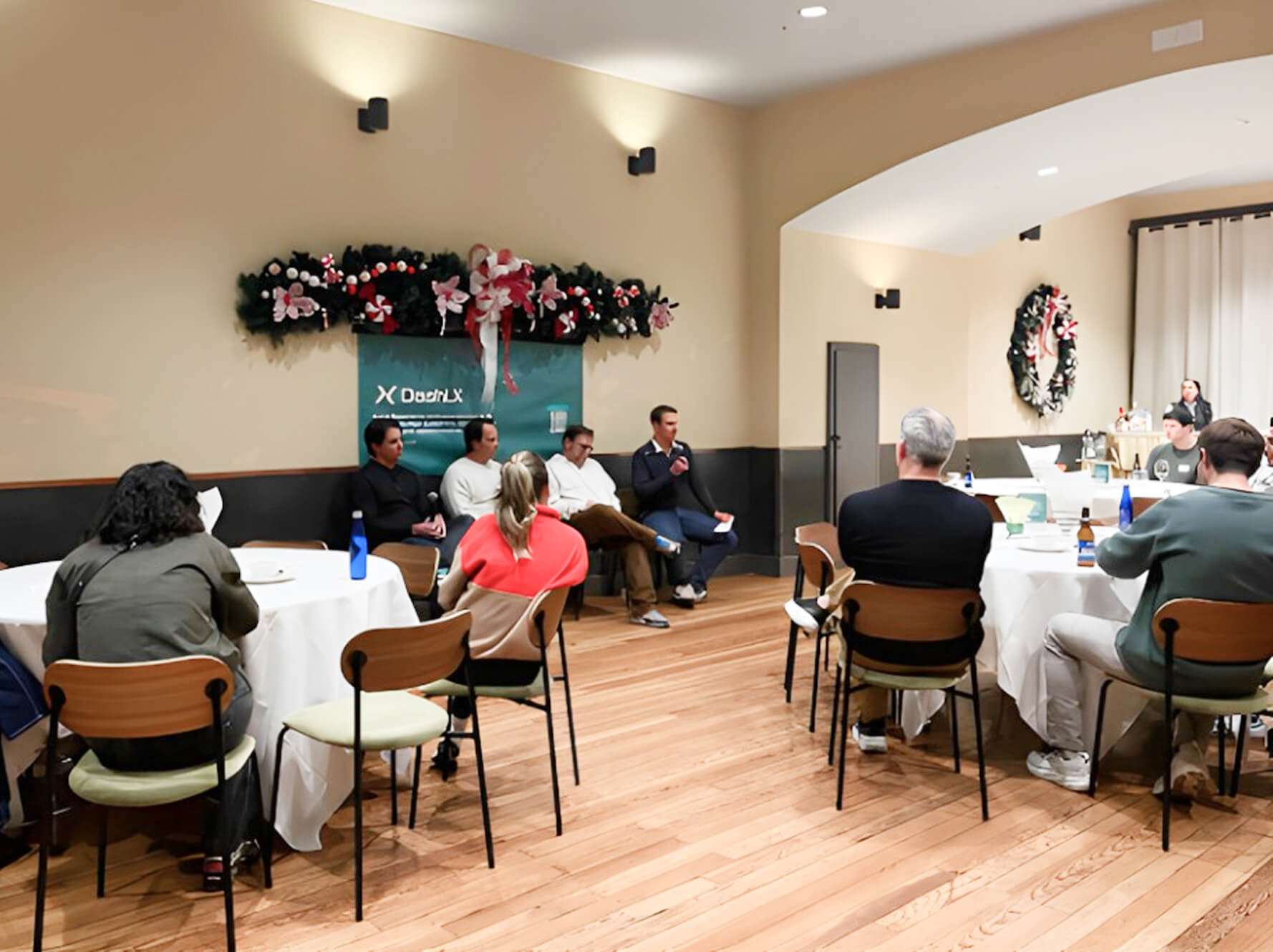
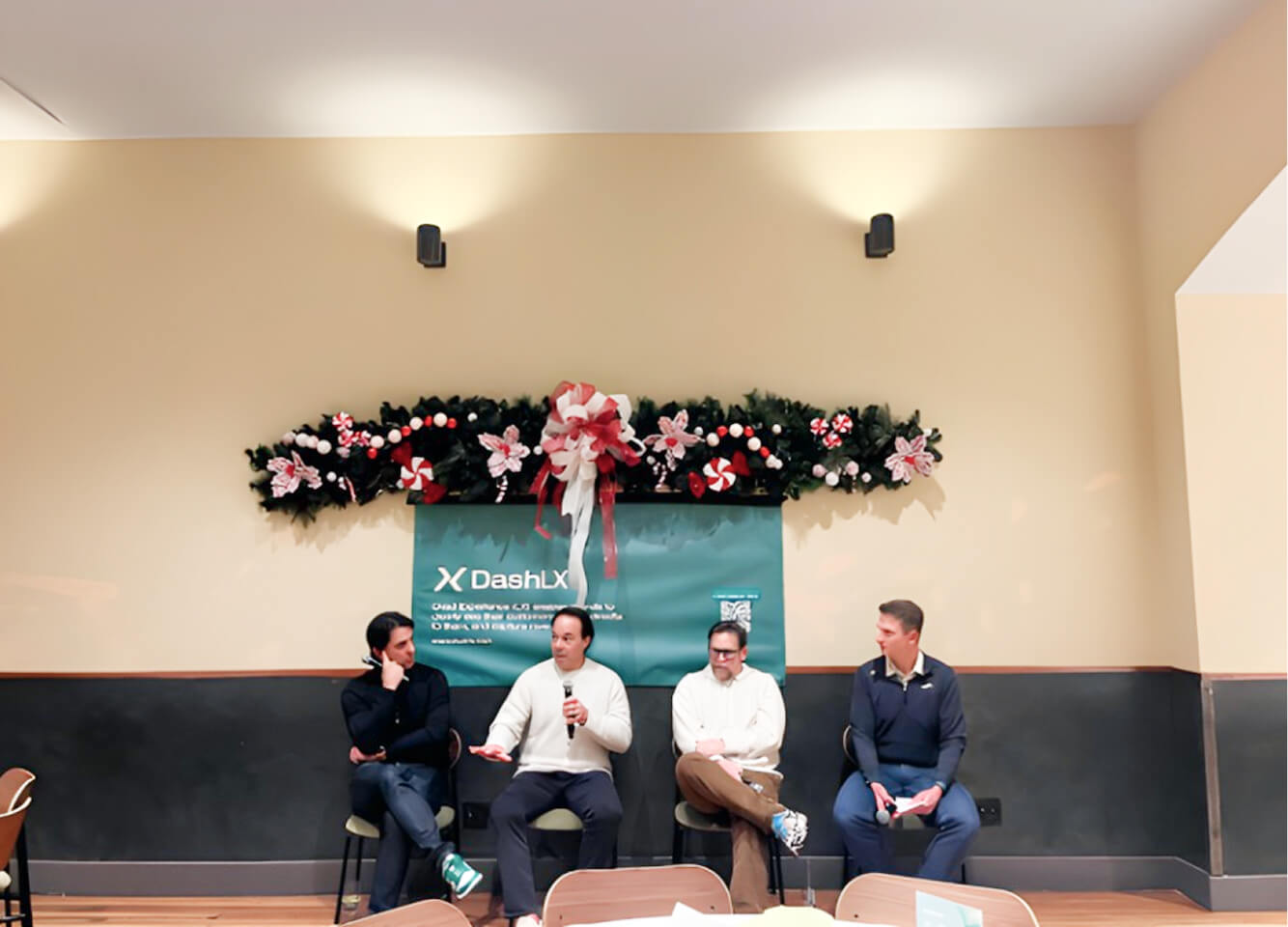
DashLX’s hosted a panel featuring leaders who’ve built billion-dollar experiences across digital and physical worlds:
Adam Stepanovic, Co-Founder and CEO of DashLX (moderator): framing the “closed-loop for physical brands.”
Peter Ruppe (Co-Founder, Avelo; ex–Air Jordan, Nike+, Under Armour, Columbia): translating athlete insight into scalable product and brand strategy.
Mike Randall (early Facebook & Snapchat growth; now Co-Founder/Managing Partner, Monsoon Venture Fund): platform loops, partnerships, monetization.
Pete Humphrey, VP of Research and Development, Brooks Running: among the first running brands to use LX (Lived Experience) Data with real customers.
They weren’t talking theory. They were talking about how to build real systems that:
Key Insights from DashLX’s Panel at The Running Event
1. Consumers Are Driving the Personalization Shift
The power dynamic has shifted. Customers aren’t waiting for brands to evolve, they're choosing the ones that already personalize.
The expectation is simple:
If I share data, I get value back.
Personalization is the baseline, not a bonus.
"Whether we want to do this or not, we don’t have a choice. Consumers are driving this.”
— Mike Randall
Takeaway: Build a clear value exchange: activity based rewards, personalized offers, faster service, more convenient shopping, exclusive access. Consumers reward brands that understand them. Everyone else gets left behind.
2. The Product Itself Is Now a Data Channel
Wearables and sensors are turning physical products into real-time feedback devices.
"We’re learning what happens every time you hit the ground… how you stride… when the shoe is breaking down.”
— Peter Ruppe
This changes everything:
A shoe can signal when it’s breaking down.
A training pattern can flag injury risk.
Product usage can prompt a replacement offer at the right time.
For product leaders and roadmap owners, this means:
You can design with data feedback loops baked in.
You get continuous insight into real-world performance, not just lab tests and surveys.
You can connect product usage data directly to loyalty, retention, and engagement.
"Make sure the vision is clear and actionable and make sure you’ve got the capabilities to get it going.”
— Peter Ruppe
Takeaway: Trigger lifecycle moments: fit checks at 50 miles, replacement nudges at wear thresholds, recovery plans after intensity spikes, community invites based on goals.
3. Cross-Functional Alignment Is the New Competitive Advantage
The brands winning are those unifying data across CX, R&D, Product, and Marketing teams collaborate. CX success is no longer the job of one department, it’s a shared mission.
"The biggest opportunity… is stitching everything together.” — Pete Humphrey
For Brooks, that meant:
Using tools like DashLX that lower friction
Connecting device data from multiple sources
Curating all of it into one runner-centered view
He was clear about DashLX’s role:
“We wouldn’t be here without the tools DashLX created, we’ve been able to take those tools and utilize Dash and what Dash can do to be able to start to collect that data, curate that data. And really understand runner.”
For executives, this translates to:
Every team acting on the same real-world truth.
Takeaway: Normalize data across Commerce, CRM, Product, and Marketing. Create a single runner/customer model that every team can act on.
5. Trust and Transparency Are the New Loyalty Currency
Transparency builds loyalty that performance marketing can’t buy. This mutual transparency builds trust; the foundation of modern customer experience.
Peter Ruppe described the responsibility clearly:
“You’ve got to protect that relationship, otherwise there’s plenty of choices for me.”
And Randall’s perspective on how to build trust over time:
"At the end of the day, it’s about being really human, having the conversation, and building trust by doing this together.”
— Mike Randall
For your marketing and product strategy, this means:
Be explicit about what data you collect, why, and what customers get back.
Design experiences that show value fast, within the first runs, rides, or sessions.
👉 DashLX operates on zero-party data principles — meaning customers opt in, understand what’s collected, and receive tangible value in return.
6. “Analog” Isn’t an Option Anymore
If your customer data stops at checkout, your experience stops there too. Closing the loop means staying connected, with insight, and shifting from campaign-driven to data-driven.
"The best companies in the world run into inertia all the time and they’re just not moving at the pace consumers want.”
— Mike Randall
There may still be room for physical experiences and elevated retail, but:
The brands doing it best are backing those experiences with digital.
Experience without data becomes unmeasurable and hard to scale.
"If you’re not going to get involved… analog isn’t a real choice in the future.”
— Pete Humphrey
Takeaway: Start now with low-risk, high-signal pilots (e.g., mileage-based triggers) and scale quarterly.
Conclusion: The Brands That Close the Loop Will Win
"Brands that close the loop will lead the next decade.”
"Even the best companies get caught off guard if they don’t move at consumer pace.”
— Mike Randall
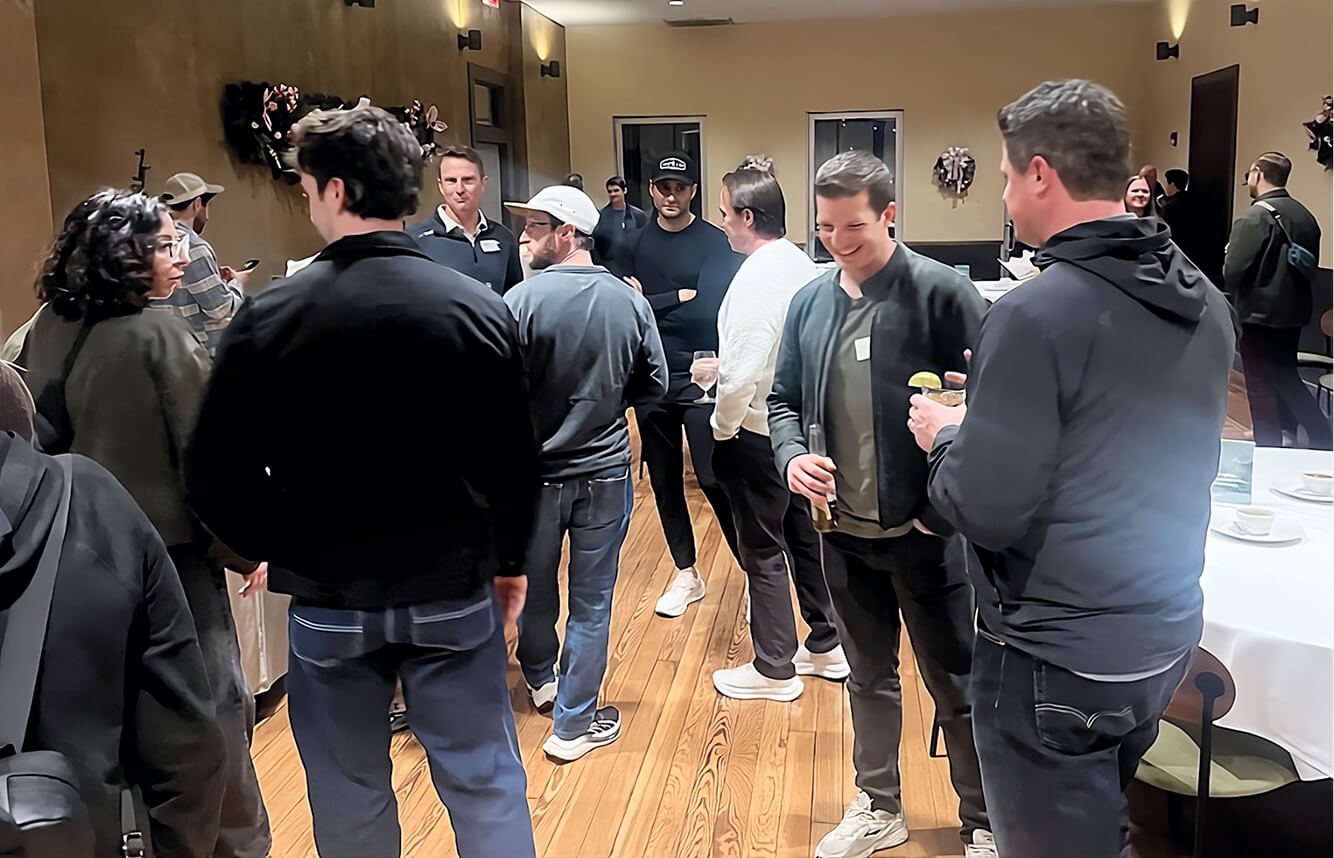
The message from The Running Event 2025 was clear: Our industry moves faster, stronger, and smarter when we move together.
As digital and physical experiences converge, the brands that win won’t just sell products, they’ll build ecosystems of engagement that continuous learning loops powered by real-world experience.
"The more you can acquire data, turn it into wisdom, and act on it, the better off you are.”
— Peter Ruppe
The customer is ready. The data is available. DashLX is enabling the shift.
The only question is whether you're ready to close your loop.
Better together. Better data. Better experience.
FAQs
1. What is closed-loop personalization, and why does it matter for physical brands?
Closed-loop personalization connects real-world usage data with marketing, loyalty, and product systems to deliver individualized experiences that improve retention and LTV.
2. How can brands start using wearable data?
Start with one product line, one behavior (miles, terrain, intensity), and one trigger-to-action workflow.
3. What is LX Data?
LX Data (Lived Experience Data) merges real-world activity, device/telemetry signals, and contextual usage data to create a unified customer model.
4. How does Brooks Running use DashLX?
Brooks demonstrated how LX Data improves product insight, personalization, and cross-functional alignment.
5. Do customers really want to share data?
Yes—when value is clear. Today’s customers expect transparency, convenience, and personalized benefits in return.


-Photoroom%201.png)

.svg)